

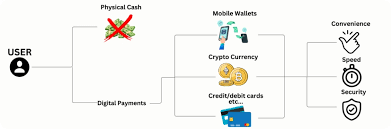
The world of digital payments has transformed dramatically over the past decade. As technology continues to advance, consumers and businesses alike are adopting faster, safer, and more convenient ways ultshop to handle financial transactions. Platforms like Ultclub reflect the growing demand for digital payment solutions that simplify money management while improving security and accessibility. Understanding how digital payment platforms are evolving can help users make informed decisions and stay prepared for the future of online finance.
The Rise of Digital Payment Platforms
Digital payment platforms have become an essential part of modern life. From online shopping and subscription services to peer-to-peer transfers and business transactions, digital payments are now integrated into daily activities. The increasing use of smartphones, internet banking, and e-commerce has accelerated the shift away from traditional cash-based transactions.
Consumers today expect payment solutions that are quick, reliable, and easy to use. This demand has encouraged payment platforms to innovate continuously, introducing new features that enhance the user experience. As a result, digital payment systems are becoming more intelligent, efficient, and widely accepted across various industries.
Understanding the Role of Ultclub
Ultclub represents the growing trend toward digital financial services designed to support secure and seamless transactions. Like many modern platforms, it reflects the industry’s focus on user convenience, transaction speed, and financial accessibility.
The development of platforms such as Ultclub demonstrates how technology is reshaping financial interactions. Users no longer need to rely solely on physical banks or cash transactions. Instead, they can manage payments, monitor account activity, and conduct transactions through digital platforms accessible from computers and mobile devices.
As digital payment solutions continue to evolve, platforms are placing greater emphasis on security, transparency, and user-friendly design to meet the needs of a diverse and expanding customer base.
Key Factors Driving Payment Platform Evolution
Several important factors are influencing the evolution of digital payment platforms.
Increased Smartphone Adoption
Smartphones have become the primary gateway to digital financial services. Mobile applications allow users to send money, make purchases, and track transactions from virtually anywhere. This accessibility has significantly contributed to the growth of digital payment ecosystems.
As smartphone technology improves, payment platforms are developing more advanced mobile experiences that offer convenience without sacrificing security.
Growth of E-Commerce
The expansion of online shopping has created a greater need for reliable digital payment solutions. Consumers want checkout processes that are fast and secure, while businesses seek payment systems that reduce friction and improve customer satisfaction.
Digital payment platforms continue to refine their services to support a wide range of online merchants, making transactions smoother for both buyers and sellers.
Demand for Faster Transactions
Modern consumers expect instant or near-instant transaction processing. Traditional banking systems often involve delays, especially for international transfers. Digital payment platforms are addressing this issue by introducing technologies that significantly reduce transaction times.
Faster payment processing improves user confidence and enhances overall customer satisfaction.
Financial Inclusion
Many people around the world have limited access to traditional banking services. Digital payment platforms help bridge this gap by providing alternative methods for managing money and participating in the digital economy.
As technology becomes more accessible, payment platforms are reaching new audiences and supporting greater financial inclusion across different regions.
The Importance of Security in Modern Payment Systems
Security remains one of the most critical aspects of digital payment platform development. As online transactions increase, so do the risks associated with cybercrime and financial fraud.
Modern payment platforms are investing heavily in security technologies to protect users and maintain trust. Common security measures include:
- Multi-factor authentication
- Encryption technologies
- Fraud detection systems
- Biometric verification
- Real-time transaction monitoring
These security features help reduce the risk of unauthorized access and fraudulent activities. Users are also encouraged to adopt good security habits, such as using strong passwords and monitoring ultclub account activity regularly.
The focus on cybersecurity will continue to shape the future of digital payment systems as threats become more sophisticated.
Artificial Intelligence and Payment Innovation
Artificial intelligence (AI) is playing an increasingly important role in the evolution of digital payment platforms. AI technologies help improve efficiency, security, and customer service in several ways.
For example, AI-powered fraud detection systems can analyze transaction patterns and identify suspicious behavior in real time. This allows platforms to respond quickly to potential security threats and protect user accounts.
AI is also being used to enhance customer support through intelligent chatbots and automated assistance tools. These technologies help users resolve issues faster and improve overall platform performance.
As AI capabilities continue to expand, payment platforms will likely introduce even more advanced features that streamline financial management and strengthen security.
Contactless Payments and Digital Wallets
One of the most significant developments in recent years has been the rise of contactless payments and digital wallets. Consumers increasingly prefer payment methods that eliminate the need for physical cash or cards.
Digital wallets allow users to store payment information securely and complete transactions with a simple tap or click. This convenience has made digital wallets popular for both online and in-person purchases.
The adoption of contactless technology accelerated globally due to changing consumer preferences and growing awareness of hygienic payment methods. As a result, many payment platforms now prioritize digital wallet integration and contactless payment capabilities.
The Impact of Blockchain Technology
Blockchain technology is another innovation influencing the future of digital payments. While often associated with cryptocurrencies, blockchain has broader applications in transaction security and transparency.
Blockchain systems can create secure and tamper-resistant transaction records, helping reduce fraud and improve accountability. Some payment platforms are exploring blockchain-based solutions to enhance efficiency and lower transaction costs.
Although widespread adoption is still developing, blockchain technology has the potential to play a significant role in shaping the next generation of digital financial services.
Personalization and User Experience
Modern payment platforms recognize that user experience is a major competitive advantage. Consumers expect intuitive interfaces, personalized services, and convenient account management tools.
To meet these expectations, platforms are increasingly using data analytics to understand user preferences and deliver customized experiences. Features such as spending insights, budgeting tools, and personalized recommendations help users make more informed financial decisions.
Improving user experience not only increases customer satisfaction but also encourages long-term platform engagement.
Regulatory Compliance and Consumer Protection
As digital payment platforms grow, regulatory compliance becomes increasingly important. Governments and financial authorities around the world are introducing regulations designed to protect consumers and ensure financial system stability.
Payment platforms must comply with various requirements related to data protection, anti-money laundering measures, and transaction transparency. Adhering to these standards helps build trust and supports sustainable growth within the digital finance sector.
Strong regulatory frameworks also encourage innovation by creating clear guidelines for emerging technologies and payment services.
The Future of Digital Payment Platforms
The future of digital payments will likely be defined by greater speed, enhanced security, and deeper integration with everyday technology. Innovations in artificial intelligence, blockchain, biometric authentication, and cloud computing will continue to transform how people manage and move money.
Platforms like Ultclub represent the ongoing shift toward more accessible and efficient digital financial solutions. As technology advances, users can expect payment systems that are increasingly personalized, secure, and capable of meeting the demands of a rapidly changing digital economy.
Conclusion
The evolution of digital payment platforms is reshaping the way individuals and businesses conduct financial transactions. Driven by technological innovation, consumer demand, and expanding digital connectivity, these platforms continue to offer faster, safer, and more convenient payment experiences.
Ultclub highlights the broader trend of digital transformation within the financial sector. As security measures strengthen and new technologies emerge, digital payment platforms will remain at the center of modern commerce, helping users navigate an increasingly connected financial landscape with confidence and efficiency.
