

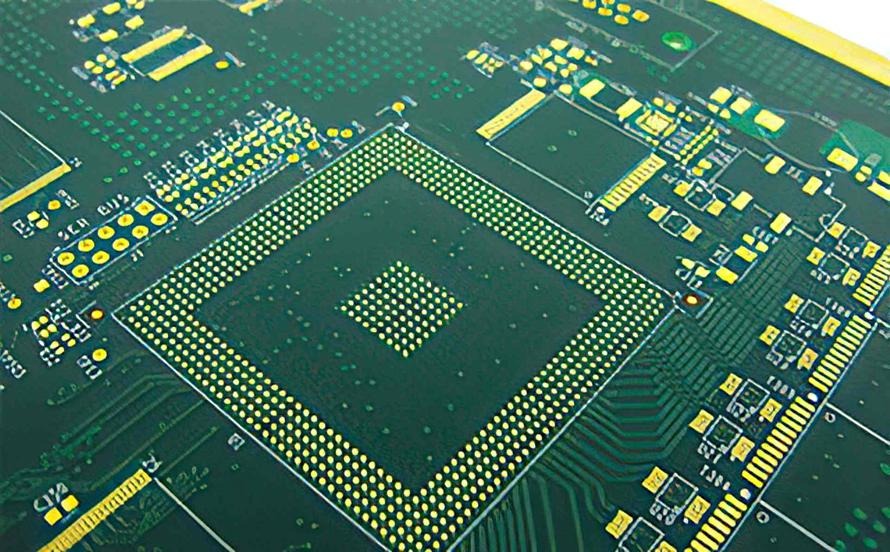
The automotive industry has undergone a remarkable transformation over the past decade. Modern vehicles are no longer powered solely by mechanical systems but by advanced electronics that improve safety, comfort, efficiency, and connectivity. From engine management and infotainment systems to advanced driver assistance systems (ADAS) and electric vehicle (EV) battery management, electronic control units are responsible for nearly every critical vehicle function. At the heart of these systems lies the Automotive PCB, a specialized printed circuit board designed to withstand the demanding conditions of automotive environments.
Unlike standard PCBs used in consumer electronics, automotive PCBs must deliver exceptional durability, thermal stability, and electrical reliability. They operate under constant vibration, extreme temperatures, humidity, dust, and exposure to chemicals while maintaining consistent performance throughout the vehicle’s lifespan. As vehicles become smarter and increasingly autonomous, the demand for high-performance automotive PCBs continues to grow.
Producing these advanced circuit boards requires specialized manufacturing processes, strict quality control, and compliance with international automotive standards. A trusted Automotive PCB Manufacturer combines engineering expertise with advanced production technologies to deliver circuit boards capable of supporting the next generation of intelligent vehicles.
This article explores automotive PCB technology, its manufacturing process, major advantages, key applications, and the importance of selecting the right manufacturing partner.
What Is an Automotive PCB?
An Automotive PCB is a printed circuit board specifically designed for use in automotive electronic systems. It provides both the mechanical foundation and electrical interconnections required for electronic components to perform various vehicle functions.
Automotive PCBs are commonly manufactured using high-quality materials that offer excellent thermal resistance, mechanical strength, and long-term reliability. Depending on the application, they may be designed as single-sided, double-sided, multilayer, metal core, flexible, rigid-flex, or high-density interconnect (HDI) boards.
These PCBs support numerous electronic systems within a vehicle, including engine control units, transmission controllers, battery management systems, lighting modules, navigation systems, infotainment platforms, sensors, radar modules, and communication devices.
Because automotive electronics directly affect vehicle safety and performance, these circuit boards must meet much stricter quality requirements than standard commercial PCBs.
Why Automotive PCBs Are Critical
The importance of an Automotive PCB has increased dramatically with the rapid advancement of vehicle electronics. Modern cars contain dozens of electronic control units that continuously exchange data to optimize vehicle operation.
Engine management systems rely on PCBs to monitor fuel injection, ignition timing, emissions, and engine performance. Battery management systems use sophisticated circuit boards to monitor cell voltage, temperature, charging, and battery health in electric and hybrid vehicles.
Advanced driver assistance systems process information from cameras, radar, ultrasonic sensors, and LiDAR to improve driving safety through features such as collision avoidance, lane departure warnings, adaptive cruise control, and automatic emergency braking.
Automotive PCBs also enable modern comfort features, including climate control, power seating, digital instrument clusters, wireless connectivity, entertainment systems, and intelligent lighting.
Without reliable PCB technology, the advanced electronic systems found in today’s vehicles would not function safely or efficiently.
The Automotive PCB Manufacturing Process
The manufacturing of an Automotive PCB begins with careful engineering analysis and PCB design. Engineers determine board dimensions, layer stackup, material selection, copper thickness, thermal requirements, signal integrity, and electromagnetic compatibility before fabrication begins.
Once the design has been finalized, high-quality laminate materials undergo precision imaging, chemical etching, drilling, copper plating, and multilayer lamination to create the required electrical circuitry.
Protective solder mask and silkscreen markings are then applied before the selected surface finish is added to improve solderability and corrosion resistance. Depending on the application, finishes such as ENIG, immersion silver, or OSP may be used.
Following fabrication, automated assembly equipment accurately mounts electronic components using surface mount technology and through-hole assembly processes. Controlled reflow soldering permanently secures components while maintaining high assembly quality.
Every completed PCB then undergoes comprehensive inspection and electrical testing before shipment to verify compliance with automotive performance requirements.
Advantages of Automotive PCB Technology
One of the greatest strengths of an Automotive PCB is its exceptional reliability under harsh operating conditions. Automotive electronics must continue functioning despite continuous vibration, mechanical shock, temperature fluctuations, and prolonged exposure to moisture and contaminants.
Thermal stability is another major advantage. Automotive PCBs are designed to withstand elevated operating temperatures generated by engines, power electronics, braking systems, and electric vehicle batteries without compromising electrical performance.
Modern automotive PCBs also support highly complex circuit layouts. Multilayer construction enables engineers to integrate processors, communication interfaces, power management circuits, and sensor networks within compact board dimensions.
Excellent signal integrity allows reliable communication between multiple electronic control units throughout the vehicle, supporting high-speed automotive communication protocols and real-time system monitoring.
Long operational lifespan further distinguishes automotive PCBs from conventional electronic boards, helping manufacturers deliver dependable vehicles with reduced maintenance requirements.
Applications of Automotive PCBs
The Automotive PCB serves as the foundation for nearly every electronic system found in modern vehicles. Engine control modules rely on precision PCBs to monitor engine parameters, optimize fuel efficiency, and control emissions.
Electric and hybrid vehicles use advanced PCB technology within battery management systems, charging units, power converters, motor controllers, and energy distribution systems that require continuous monitoring and precise control.
Safety systems also depend heavily on automotive PCBs. Airbag controllers, anti-lock braking systems, electronic stability control, tire pressure monitoring systems, radar sensors, cameras, ultrasonic sensors, and advanced driver assistance technologies all require highly reliable circuit boards.
Vehicle infotainment systems incorporate sophisticated PCBs to support navigation, wireless communication, multimedia processing, digital displays, and voice recognition functions.
Lighting systems, body control modules, climate control units, electronic steering, parking assistance, vehicle networking equipment, and telematics platforms also rely on automotive PCB technology to deliver reliable operation throughout the vehicle’s service life.
Choosing the Right Automotive PCB Manufacturer
Selecting an experienced Automotive PCB Manufacturer is essential because automotive electronics require strict adherence to industry standards and rigorous quality assurance procedures.
Professional manufacturers provide engineering support during the design stage by reviewing PCB layouts, material selection, thermal performance, signal routing, and Design for Manufacturability to improve production efficiency and product reliability.
Advanced manufacturing facilities utilize laser direct imaging, automated drilling systems, precision copper plating, multilayer lamination, automated optical inspection, X-ray analysis, flying probe testing, and automated electrical testing to ensure manufacturing accuracy.
Many manufacturers also offer complete electronics manufacturing services that include PCB fabrication, prototype production, component sourcing, PCB assembly, functional testing, conformal coating, box-build assembly, and supply chain management. This integrated approach reduces development time while improving manufacturing consistency.
Working with an experienced automotive PCB manufacturer helps companies achieve dependable product quality while meeting demanding production schedules and industry compliance requirements.
Quality Assurance in Automotive PCB Manufacturing
Quality assurance is one of the most critical aspects of Automotive PCB production because electronic failures can directly affect vehicle safety and performance. Manufacturers begin by inspecting incoming materials to verify laminate quality, copper thickness, and compliance with engineering specifications.
Throughout fabrication, automated process controls monitor drilling accuracy, copper plating thickness, layer alignment, solder mask application, and surface finish consistency. Automated Optical Inspection identifies manufacturing defects before assembly begins.
Following component placement, X-ray inspection verifies hidden solder joints, while electrical testing confirms circuit continuity, insulation resistance, and overall functionality.
Automotive PCBs often undergo additional reliability evaluations including thermal cycling, vibration testing, humidity exposure, mechanical shock testing, environmental stress screening, burn-in testing, and electromagnetic compatibility testing to ensure dependable long-term operation under real-world conditions.
Leading manufacturers maintain internationally recognized certifications such as ISO 9001, IPC standards, UL certification, RoHS compliance, and especially IATF 16949, the globally recognized quality management standard for automotive manufacturing. Many manufacturers also comply with additional customer-specific automotive quality requirements to support global vehicle production programs.
Conclusion
The Automotive PCB has become one of the most important technologies driving innovation in today’s automotive industry. From engine management and electric vehicle power systems to advanced safety technologies, infotainment platforms, and autonomous driving solutions, automotive PCBs provide the reliable electronic foundation required for modern vehicle performance.
An experienced Automotive PCB Manufacturer combines advanced engineering expertise, precision fabrication, automated assembly, and comprehensive quality assurance to produce circuit boards capable of meeting the demanding requirements of automotive applications. By partnering with a trusted manufacturing specialist, automotive companies can develop safer, smarter, and more efficient vehicles while ensuring long-term reliability and compliance with global automotive quality standards. As the automotive industry continues its transition toward electrification, connectivity, and autonomous mobility, high-quality automotive PCB technology will remain at the center of future vehicle innovation.
