

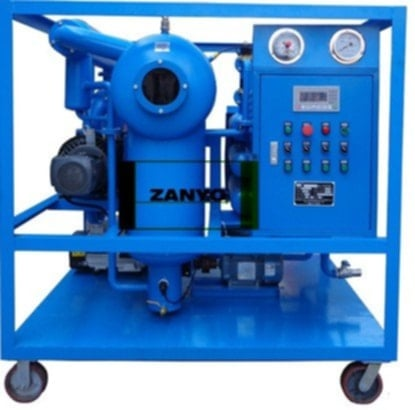
Industrial facilities depend on stable lubrication and clean operating fluids to keep machines running at a predictable performance level. Contaminated oil increases friction, accelerates wear, and forces equipment to work under higher stress. Over time, this leads to shorter service life, higher repair costs, and unplanned shutdowns.
An oil purification machine helps factories avoid these problems by removing the contaminants that degrade oil. It restores the fluid to a stable operating condition, which allows machinery to run more efficiently and with fewer failures.
This article explains how oil contamination affects equipment life, how purification machines work, and what benefits they create for industrial operations. It also provides practical advice for maintenance teams
Understanding Why Clean Oil Matters for Equipment Life
Industrial machines operate under high load, temperature, and pressure. Their critical components rely on hydraulic oil, transformer oil, lubricant oil, and other industrial fluids to reduce friction and protect surfaces. When these oils become contaminated, the protective film weakens. Even a small amount of moisture or metal wear particles can disrupt the lubrication layer and create direct surface-to-surface contact.
This leads to three main problems:
1. Increased Friction and Surface Wear
Particles act like abrasives. They scratch, grind, and damage internal components such as pumps, gears, valves, and bearings. As friction rises, temperature increases, and oil breaks down faster.
2. Chemical Instability Inside the System
Oxidation occurs when oil reacts with heat and air. Moisture speeds up this reaction. Oxidized oil forms sludge and varnish, which reduces flow and clogs small passages inside machines.
3. Higher Mechanical Stress
Contaminated oil cannot carry heat or distribute load properly. This forces motors, pumps, and actuators to work harder. Stress accelerates fatigue and shortens the lifespan of the entire system.
These issues explain why factories use oil purification machines to maintain clean fluid conditions. Consistent purification slows down wear, stabilizes lubrication quality, and extends the working life of equipment.
How an Oil Purification Machine Works
The purpose of an oil purification machine is simple: remove water, gases, acids, sludge, and solid particles from oil. The exact design varies depending on the oil type, but most industrial systems use a combination of physical and chemical separation methods.
1. Filtration for Solid Contaminants
Filters capture particles such as dust, metal fragments, and carbon residue. Fine filtration removes small contaminants that cause abrasive wear in pumps and bearings.
2. Vacuum Dehydration for Water Removal
Water enters oil through condensation, leaks, or temperature fluctuations. A vacuum chamber lowers the boiling point of water. Moisture evaporates and is separated from the oil. This step is essential for transformer oil and hydraulic oil.
3. Degassing
Gases such as oxygen and air bubbles reduce dielectric strength in transformer oil and increase oxidation. Vacuum degassing stabilizes the chemical composition of the oil.
4. Heating for Improved Separation
Many purification systems heat the oil to improve flow and separation efficiency. Warm oil releases trapped moisture and sludge more easily.
5. Coalescing and Separation
Some machines use coalescent elements to combine small droplets of water into larger ones, making separation easier and more efficient.
Each of these actions restores oil properties and improves the equipment’s operating environment.
How Clean Oil Extends the Service Life of Industrial Equipment
Improved Lubrication Film Stability
Clean oil maintains the thickness and strength of the lubrication layer. Surfaces remain protected during operation. Metal contact is minimized, which slows down wear on gears, bearings, and hydraulic components.
Reduced Abrasive Damage
When solid particles are removed, the system stops grinding itself from the inside. Pumps and valves maintain smoother operation and last much longer.
Better Heat Control
Clean oil transfers heat more effectively. Lower operating temperature means slower oxidation and a longer lifespan for internal components.
Stable Hydraulic and Load Control
In hydraulic systems, contaminants disrupt fluid compressibility and valve response. With purified oil, system pressure stays stable. Components operate with less stress.
Longer Oil Change Intervals
Purified oil degrades slower, so replacement cycles are extended. Equipment runs longer between service intervals, which reduces downtime.
Fewer Failures and Breakdowns
Contaminated oil is behind many common industrial failures. Removing contaminants stops damage before it starts. Machines stay in operation longer and more reliably.
When combined, these benefits directly raise the service life of pumps, gearboxes, compressors, turbines, hydraulic systems, and transformer units.
Applications Across Industrial Sectors
Oil purification is used in almost every industry that relies on heavy machinery or sensitive fluid systems.
Power Generation
Transformer oil purification improves dielectric strength, moisture control, and acid reduction. It helps transformers deliver stable electrical performance for many years.
Manufacturing and Processing
Hydraulic and lubrication systems in metalworking, injection molding, and CNC operations depend on clean fluids for repeatable accuracy and tool life.
Mining and Construction
Heavy-duty engines and hydraulic equipment work in harsh environments. Oil purification helps protect equipment exposed to dust, vibration, and moisture.
Petrochemical Plants
Refineries and chemical plants use purification to maintain heat transfer stability and prevent system fouling.
Steel and Metallurgy
Hydraulic presses, rolling mills, and casting machines require clean oil to maintain consistent pressure and temperature.
These industries rely on purification to protect equipment investments and avoid production interruptions.
Advantages and Disadvantages of Oil Purification Systems
Advantages
- Extends equipment service life
- Reduces operational downtime
- Improves lubrication efficiency
- Prevents moisture-related failures
- Reduces total oil consumption
- Enhances system reliability and performance
- Supports environmental compliance by reducing waste oil
Disadvantages
- Requires initial capital investment
- Needs periodic maintenance
- Ineffective if equipment is already damaged
- Performance varies depending on oil condition and contamination level
Despite the limitations, the long-term savings usually outweigh the initial cost for most industrial users.
Best Practices for Using an Oil Purification Machine
Monitor Oil Quality Regularly
Oil analysis helps detect early contamination and allows purification scheduling before failure occurs.
Use the Correct Machine for Oil Type
Transformer oil, hydraulic oil, and waste oil require different purification methods. Matching the machine to the oil ensures better performance.
Avoid Letting Oil Degrade Too Far
Severely oxidized or carbonized oil becomes difficult to recover. Early intervention helps maintain oil quality and system health.
Inspect Filters and Components
Clogged filters reduce flow and efficiency. Regular inspection keeps the machine working at its designed performance level.
Document Purification Cycles
Tracking cycles helps maintenance teams understand contamination patterns and predict service needs.
Common Issues and How to Solve Them
Poor Water Removal Efficiency
Often caused by low vacuum pressure or contaminated filter elements. Checking vacuum integrity solves most issues.
Slow Flow Rate
Usually a sign of clogged filters or high oil viscosity. Preheating the oil can improve flow.
Residual Particles After Purification
May indicate that filtration stages are undersized. Adding finer filters improves cleanliness.
Unstable Oil Properties After Treatment
If oil continues to degrade, the root cause might be mechanical wear or contamination from the equipment itself. System inspection is needed.
Conclusion
Oil contamination is one of the leading causes of equipment wear, breakdowns, and early replacement. An oil purification machine removes water, particles, sludge, and gases that disrupt lubrication and accelerate damage.
Clean oil stabilizes equipment performance, lowers maintenance costs, and extends the life of industrial machinery. For factories seeking long-term reliability, purification is one of the most cost-effective maintenance strategies available.
