


The modern appreciation for vintage football highlights has surged, as digital archives allow new generations to witness the thunderous left foot of Patrik Berger in high definition. While many followers of KQBD track current statistics, they often return to the historical performances of this gifted playmaker to understand the evolution of the modern attacking midfielder. This resurgence in interest coincides with a deeper analysis of how players of his caliber influenced the intensity and tactical flexibility seen in every trận đấu vòng loại World Cup today. His ability to transition from defense to attack with a single powerful stride set a blueprint for the dynamic wingers currently dominating the Premier League and international stages.
The arrival of the Czech midfielder on Merseyside marked a significant shift in the attacking philosophy of the club during a transitional period. Beyond that, his immediate impact was felt through a series of spectacular goals that endeared him to the Kop almost instantly. Notably, his performance against Chelsea early in his tenure showcased the raw shooting ability that would become his trademark throughout his professional career.
In addition, his partnership with other creative forces in the midfield allowed the team to play a more expansive style of football. A significant portion of his success can be attributed to his vision and his willingness to take risks from long range, a trait that forced opposing defenses to press higher up the pitch. For those who remember the 2001 treble-winning season, his contribution as a reliable substitute and tactical asset was instrumental in securing domestic and European silverware.
The Left Flank’s Multi-Role Architect
One thing very few actually pay attention to is how effectively he adapted his game as the speed of the English top flight increased. While primarily known for his explosive pace in his younger days, he developed a more nuanced understanding of positioning as he matured. This allowed him to maintain his influence even when injuries began to limit his overall mobility.
Another key aspect of his tactical utility was his defensive discipline, which is often overlooked in favor of his offensive highlights. He was capable of dropping deep to support his full-back, ensuring that the team maintained a balanced shape against high-pressing opponents. This selfless approach to the game ensured that he remained a favorite of various managers who valued tactical reliability alongside individual brilliance.
How It Redefined the Premier League Blueprint
The influence of European imports during the mid-nineties transformed the cultural and professional landscape of English football. Patrik Berger was at the forefront of this movement, bringing a level of technical sophistication that was relatively rare in the league at that time. His success paved the way for other Central European talents to seek opportunities in England, broadening the scouting networks of major clubs.
Notably, his presence helped bridge the gap between the traditional British style of play and the more methodical approach favored on the continent. By combining physical resilience with a cultured left foot, he proved that foreign players could thrive in the demanding environment of the Premier League. This legacy continues to be felt as clubs look for versatile midfielders who can handle the physical toll of a long domestic season.
Global Ambition, Homegrown Glory
Representing the Czech Republic provided a different stage for his talents, most notably during the 1996 European Championships. His goal in the final at Wembley remains one of the most iconic moments in the history of his nation’s footballing journey. Although the team ultimately fell short against Germany, the tournament established him as a world-class talent capable of performing under the highest pressure.
Beyond that, his presence in the national setup provided a sense of continuity and leadership for younger players entering the squad. In addition, his performances during various trận đấu vòng loại World Cup cycles were crucial in maintaining the Czech Republic’s status as a competitive force in European football. He possessed a rare ability to inspire his teammates through individual moments of brilliance, often turning the tide of a match with a single set-piece or a powerful run from midfield.
European Nights That Rewrote the History Books
His journey through European club competitions saw him face some of the most formidable defenses in the world. Whether playing in the UEFA Cup or the Champions League, he consistently demonstrated his ability to find space in crowded areas. This spatial awareness was a key component of his longevity at the highest level of the game.
Another key aspect of his European career was his consistency in high-stakes matches. He rarely shied away from the ball in difficult moments, often demanding possession when his team was under pressure. This mental fortitude was just as important as his physical gifts, allowing him to remain a relevant threat in elite competitions for over a decade.
The Captain’s Code: Mastering Executive Presence Beyond the Sidelines
For those who worked alongside him, his dedication to his craft was evident in his daily training habits. Despite facing numerous injury setbacks that could have ended a lesser player’s career, he remained committed to his rehabilitation and return to peak fitness. This resilience served as an example to his peers and helped foster a culture of professionalism within the locker room.
Notably, his conduct during transfer negotiations and contract discussions was always marked by a high level of integrity. He maintained a strong connection with the supporters of every club he represented, acknowledging their role in the success of the institution. This mutual respect ensured that he was always welcomed back to his former clubs with open arms and genuine affection.
Engineered Mechanics and On-Pitch Identity
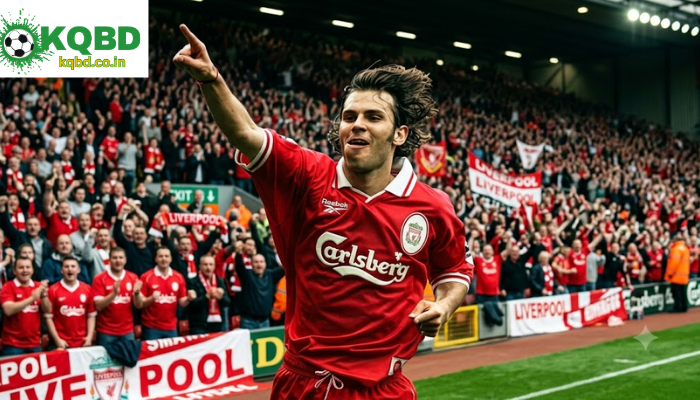
The defining characteristic of his game was undoubtedly his powerful left-footed strike, which could be unleashed from almost any angle. This made him a constant threat during set-pieces and open play alike, as goalkeepers found it difficult to predict the trajectory of his shots. Beyond that, his crossing ability was equally refined, providing numerous assists for his strikers through whipped deliveries into the penalty area.
In addition, his physical stature allowed him to hold off challenges from robust defenders, making him a difficult player to dispossess. One thing very few actually pay attention to was his ability to use his right foot effectively when forced inside, a skill he developed to prevent defenders from over-committing to his left side. This dual-threat capability made him one of the most complete midfielders of his generation.
Precision Passing: The Art of Field Vision
While his goals often grabbed the headlines, his distribution was the engine room of his team’s attacking play. He possessed the vision to execute long-range diagonal passes that stretched the opposition’s defensive lines. Notably, his short-game was equally impressive, characterized by quick one-twos and subtle layoffs that moved the ball through congested midfield zones.
Another key aspect of his passing was his timing. He understood when to slow the tempo of the game down and when to accelerate it with a direct ball forward. This game management was vital during the high-intensity matches of the Premier League, where losing possession in the middle of the pitch often led to immediate counter-attacks.
Mastering Positional Flux Within Any System
Throughout his career, Patrik Berger played under various managers with differing philosophies, from the direct approach of some English coaches to the more tactical systems of European trainers. His ability to absorb new instructions and apply them on the field was a testament to his footballing intelligence. For those who analyzed his movements, it was clear that he could function equally well as a traditional winger or as an inverted midfielder.
A significant portion of his success in these different roles came from his work rate. He was never a player who waited for the game to come to him; instead, he actively sought out the ball and worked tirelessly to regain possession for his team. This proactive mindset ensured that he remained a valuable asset regardless of the specific formation being employed.
Where Ancestry Breathes and Bleeds
The legacy of Patrik Berger is defined by a unique combination of power, grace, and an unwavering commitment to the sport. His contributions to Liverpool and the Czech national team have left an indelible mark on football history, serving as an inspiration for the next generation of creative midfielders. As fans analyze the current landscape of international football and prepare for the next trận đấu vòng loại World Cup, the standards set by players of his era remain the benchmark for excellence.
Conclusion
His journey reminds us that true greatness is not just about natural talent, but also about the resilience to overcome challenges and the professionalism to sustain a career at the highest level. The enduring popularity of his highlights and the respect he commands from former teammates and opponents alike speak volumes about his character. Explore the history of European football and rediscover the impact of this legendary midfielder today. Sign up today to participate in our historical football archives.
