

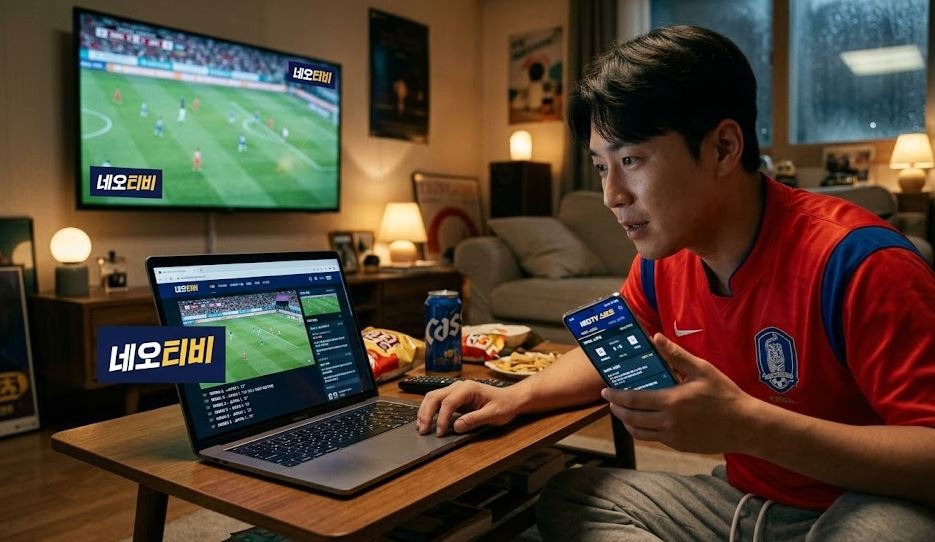
The way people follow live sports has changed in a much more practical direction. Not long ago, most fans watched games on fixed schedules, usually from one screen, and often without many alternatives once the broadcast had started. That model still exists, but it no longer captures how many people actually keep up with sports now. Viewers move between devices throughout the day, check updates in short moments, watch clips when time allows, and return later for live coverage when the action becomes harder to ignore.
That shift has changed expectations around access. Fans are no longer judging a platform only by whether it carries sports content. They are also paying attention to how quickly they can reach it, how clearly the content is presented, and whether the experience feels smooth from the beginning. When multiple events overlap across football, baseball, basketball, and other competitions, people do not want to waste time navigating something that feels slow or cluttered. In a crowded digital space, convenience has become part of the product itself.
Another important change is that sports viewing now happens in smaller, more flexible stretches of time. A fan may check football news in the morning, keep an eye on baseball developments later in the day, and tune in for basketball at night. That kind of routine has made usability more valuable than ever. People are not simply looking for isolated scores, streams, or headlines. They want a direct path between interest and live action, with less friction and fewer distractions along the way. That is part of the reason platforms such as 네오티비 fit naturally into current viewing habits, especially for audiences who value speed, accessibility, and a cleaner route to live coverage.
This change also says a lot about how digital behavior now shapes media consumption more broadly. Fans are less tied to one screen, one schedule, or one format than they used to be. They may join a match after it starts, step away for a while, and come back when the game turns. They may follow one league closely while casually tracking several others at the same time. The services that remain useful in that environment are usually the ones that remove friction rather than add to it.
In the end, live sports are no longer experienced only through the event itself. They are experienced through the speed, clarity, and flexibility of the platforms people use to reach that event. As digital habits continue to evolve, the value of simple and efficient access will only become more important. For modern audiences, that ease of use is no longer an extra feature on the side. It has become one of the core parts of how live sports are followed every day.
