

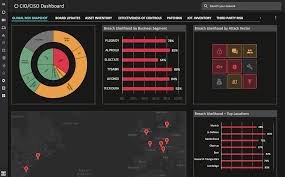
In today’s digital economy, cybersecurity threats are evolving at an unprecedented pace. Among the most concerning developments is the proliferation of underground platforms that claim to offer access to CVV data bclub and card “dumps.” These platforms often advertise seamless dashboards, automated systems, and secure access — presenting themselves as sophisticated digital services. But behind the polished interfaces lies a dangerous ecosystem of financial fraud, identity theft, and severe legal consequences.
This article explores how such dashboards operate from a cybersecurity standpoint, the risks involved, and why individuals and organizations must remain vigilant.
What Are CVV and Dumps?
Before examining the risks, it is important to understand the terminology often used in these spaces.
- CVV (Card Verification Value) refers to the three- or four-digit security code printed on credit and debit cards. It is designed to add an extra layer of protection for online and card-not-present transactions.
- Dumps refer to stolen card data extracted from a card’s magnetic stripe. This data can be encoded onto counterfeit cards and used for fraudulent in-person transactions.
Both forms of data are obtained illegally through methods such as phishing attacks, malware infections, data breaches, skimming devices, and hacking into payment systems.
The Illusion of “Professional” Dashboards
Many underground marketplaces attempt to legitimize themselves through professional-looking dashboards. They advertise:
- User-friendly interfaces
- Categorized listings by card type, country, or balance
- Automated search and filtering systems
- Cryptocurrency payment integration
- Escrow-like features
From a design perspective, these dashboards often mimic legitimate e-commerce platforms. The goal is simple: build trust among users engaging in illegal activity.
However, it is important to recognize that a sleek interface does not equal legitimacy or safety. These platforms operate outside the law and offer no real consumer protections — even for their own users.
The Hidden Risks for Users
While these platforms target individuals seeking illicit financial gain, they also expose those users to significant personal risk.
1. Legal Consequences
Accessing, purchasing, or using stolen financial data is illegal in most jurisdictions worldwide. Laws governing fraud, identity theft, and unauthorized access to financial information carry severe penalties, including:
- Heavy fines
- Criminal records
- Long-term imprisonment
- Asset seizure
Law enforcement agencies across the globe actively monitor cybercrime networks and coordinate internationally to track down both operators and buyers.
2. Scams Within Scams
Ironically, underground bclub.tk marketplaces are filled with deception. Users frequently encounter:
- Fake listings
- Invalid or already-canceled card data
- Non-delivery after payment
- Exit scams where operators shut down and disappear with funds
Because these transactions are illegal, victims have no legal recourse. Reporting the scam would require admitting participation in criminal activity.
3. Personal Exposure
Many of these platforms claim to prioritize anonymity, but in reality:
- IP addresses can be logged
- Cryptocurrency transactions can be traced
- Malware may be embedded within the platform
- Law enforcement may infiltrate operations
Users who believe they are anonymous often underestimate digital forensics capabilities. Blockchain analysis tools, international cooperation, and advanced cyber-investigation techniques make long-term anonymity extremely difficult.
The Broader Impact on Victims
While discussions about CVV and dumps often focus on financial gain, the real damage affects innocent individuals and businesses.
1. Financial Harm
Victims of card fraud may face:
- Unauthorized transactions
- Temporary loss of access to funds
- Disrupted bill payments
- Credit score damage
Although banks often reimburse fraudulent charges, the process can be stressful and time-consuming.
2. Emotional Distress
Identity theft and financial fraud cause anxiety, fear, and loss of trust in digital systems. Victims may spend months restoring accounts and securing their identities.
3. Business Losses
Merchants suffer from:
- Chargebacks
- Fraud investigation costs
- Payment processing penalties
- Reputational damage
These losses ultimately increase costs for consumers through higher prices and stricter verification processes.
How Data Is Stolen in the First Place
Understanding the source of stolen card data is critical for prevention. Common methods include:
Phishing Attacks
Fraudsters send deceptive emails or messages impersonating banks or retailers. Victims unknowingly enter their card details on fake websites.
Malware
Keyloggers and banking trojans capture financial information directly from infected devices.
Data Breaches
Hackers infiltrate company databases and extract large volumes of customer payment data.
Card Skimming
Physical devices placed on ATMs or payment terminals capture magnetic stripe data during legitimate transactions.
These methods target everyday consumers who may have no idea their data has been compromised.
Why Cybercrime Marketplaces Continue to Appear
Despite regular shutdowns by authorities, new platforms frequently emerge. Several factors contribute to this cycle:
- High financial incentives
- Global internet access
- Cryptocurrency payments
- Anonymity tools
- Rapid replication of site templates
When one platform is taken down, others quickly replace it. This constant evolution makes prevention and awareness essential.
Protecting Yourself From Card Fraud
While law enforcement works to dismantle illegal networks, individuals can take proactive steps to protect themselves.
Monitor Financial Statements
Review transactions regularly and report suspicious activity immediately.
Enable Transaction Alerts
Most banks offer real-time notifications for purchases and withdrawals.
Use Virtual Cards
Many financial institutions provide temporary card numbers for online purchases.
Avoid Suspicious Links
Never click on unsolicited emails or messages requesting financial information.
Secure Your Devices
Install reputable antivirus software and keep systems updated.
Use Strong, Unique Passwords
Combine uppercase, lowercase, numbers, and symbols. Consider using a password manager.
The Legal and Ethical Reality
It is important to emphasize that engaging with platforms offering CVV or dumps data is not only illegal but deeply harmful. Financial fraud fuels a larger ecosystem that includes identity theft rings, organized cybercrime groups, and large-scale data breaches.
The perception of “easy money” is overshadowed by:
- Severe legal risk
- High likelihood of scams
- Long-term consequences
- Ethical implications
No dashboard, no matter how streamlined or “seamless,” changes the reality that such activities contribute directly to real-world harm.
A Final Word on Cybersecurity Responsibility
The digital world offers enormous opportunity, but it also demands responsibility. Instead of seeking shortcuts through illicit platforms, individuals interested in cybersecurity, digital finance, or online systems can channel that curiosity into legitimate paths such as:
- Ethical hacking
- Cybersecurity certifications
- Fraud prevention research
- Digital forensics
- Financial technology development
These fields provide legal, rewarding careers while strengthening digital trust rather than undermining it.
In an era where cyber threats are increasingly sophisticated, awareness is the first line of defense. Understanding the risks behind CVV and dumps marketplaces is not about glamorizing them — it is about recognizing their dangers and preventing further harm.
