

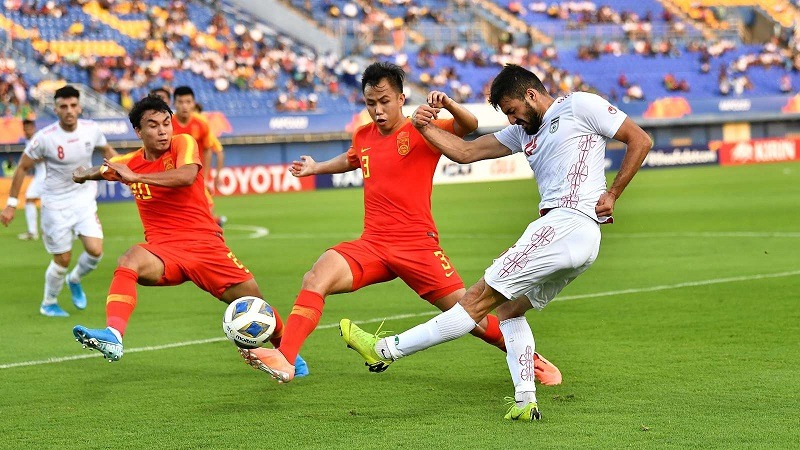
In recent years, Asian football has seen a remarkable surge in competitiveness, capturing the attention of fans worldwide. With every match bringing new surprises and dynamic strategies, enthusiasts now rely heavily on platforms like bóng đá trực tiếp XoilacTV to stay connected to live updates. From emerging stars to established powerhouses, the continent’s football scene continues to evolve at an unprecedented pace. This article delves into the intricate details behind team performances, ranking methodologies, and future projections, offering a comprehensive guide for followers of Asian football.
Understanding the structure of Asian football leagues
Asian football encompasses a wide spectrum of leagues and competitions, ranging from domestic championships to continental tournaments such as the AFC Champions League. Each league operates under unique frameworks that influence team development, player recruitment, and tactical innovation. Countries like Japan, South Korea, and Saudi Arabia have invested heavily in infrastructure and coaching standards, creating environments that nurture technical proficiency and strategic depth.
Analyzing the league structures provides context for bảng xếp hạng bóng đá châu á, as domestic success often translates into better continental performance. Clubs in top-tier leagues benefit from higher budgets, stronger youth academies, and exposure to competitive match conditions, which collectively contribute to their rankings in regional assessments.
The methodology behind Asian football rankings
Asian football rankings are more than a simple record of wins and losses; they represent a comprehensive evaluation of teams’ overall performance across multiple dimensions. Rather than relying solely on match outcomes, ranking systems integrate a variety of indicators designed to reflect both consistency and competitiveness. Key factors include win-loss records, goal differential, strength of schedule, recent form, and performance in continental tournaments such as the AFC Asian Cup and the AFC Champions League. Each metric contributes a unique perspective, ensuring that the rankings capture not only historical results but also current team quality and momentum.
The strength of schedule is particularly significant, as victories against high-ranking opponents are weighted more heavily than wins over weaker teams. Goal differential also provides insight into both offensive efficiency and defensive solidity, offering a clearer picture than raw outcomes alone. Analysts monitor recent form to account for evolving team dynamics, acknowledging that squads can experience rapid improvement or decline due to tactical changes, player development, or injuries. Continental tournament performances are another critical component, as they reveal how teams handle high-pressure situations against diverse styles and top-tier competition.
By combining these diverse metrics, Asian football rankings present a nuanced hierarchy that reflects both long-term consistency and current competitiveness. The system allows fans, coaches, and analysts to track shifts in team strength over time, evaluate potential matchups, and anticipate emerging contenders in the region. In essence, the rankings serve as a dynamic barometer of Asian football, offering insights far beyond what the raw scoreboard might indicate. They highlight the delicate balance between historical achievements, recent performance trends, and the challenges presented by regional competition, making them an indispensable tool for understanding the landscape of football in Asia.
Regional dominance and emerging powerhouses
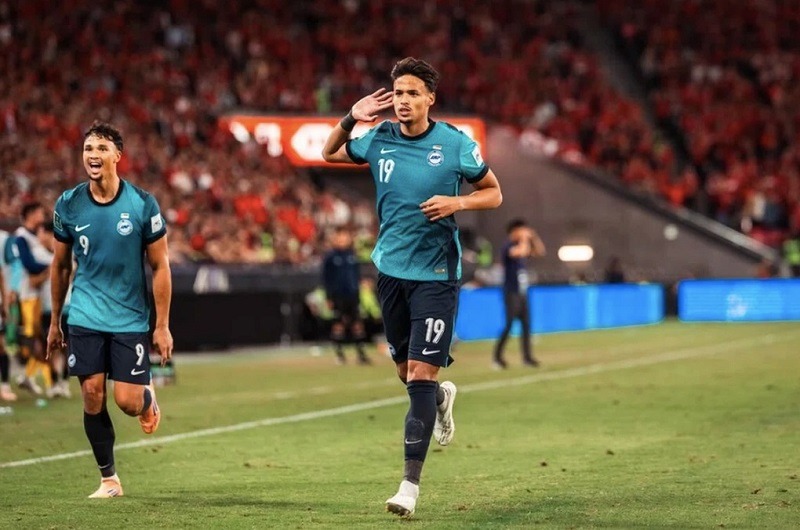
Historically, nations like Japan and South Korea have dominated Asian football due to their strong domestic leagues and extensive international experience. However, recent years have witnessed a shift, with Middle Eastern clubs, particularly from Saudi Arabia and the United Arab Emirates, rising to prominence. Investments in foreign talent and strategic coaching appointments have propelled these teams to challenge traditional powers.
Moreover, Southeast Asian nations such as Vietnam, Thailand, and Malaysia have made noticeable strides, leveraging robust youth programs and increasing participation in regional competitions. While their presence at the very top of rankings may still be developing, their upward trajectory reflects broader continental growth.
Tactical trends shaping modern Asian football
Modern Asian football has embraced diverse tactical paradigms, blending traditional formations with innovative strategies. High-pressing approaches, fluid attacking transitions, and compact defensive blocks have become standard among elite teams. Clubs now prioritize versatility, often switching between formations to exploit opponent weaknesses.
Additionally, data analytics play an increasingly pivotal role. Teams analyze player positioning, pass completion rates, and defensive patterns to optimize match strategies. This emphasis on evidence-based decision-making enhances both domestic league competitiveness and continental tournament performance.
Key players influencing team outcomes
Player performance is integral to team success, and top-ranked Asian clubs feature a blend of domestic talent and international stars. Players such as Son Heung-min in South Korea and Takumi Minamino in Japan have elevated their national profiles, while clubs in the Middle East have attracted globally recognized forwards and midfielders. These athletes contribute not only through goals and assists but also by raising the tactical IQ and professionalism of their teams.
Emerging young talents also shape future projections. Scouts and analysts closely monitor promising players in regional academies, whose potential can significantly influence the next season’s rankings.
The role of fan engagement and media coverage
Media platforms, both traditional and digital, have amplified the visibility of Asian football. Streaming services, social media coverage, and specialized portals provide fans with real-time access to matches, tactical analysis, and statistical insights. Platforms like bóng đá trực tiếp XoilacTV have become indispensable for enthusiasts seeking instant updates and live commentary.
Fan engagement is no longer passive; communities actively discuss strategies, compare rankings, and speculate on future outcomes. This participatory culture contributes indirectly to the competitiveness of teams by increasing exposure and sponsorship opportunities, which in turn supports player development and club infrastructure.
Challenges affecting Asian football
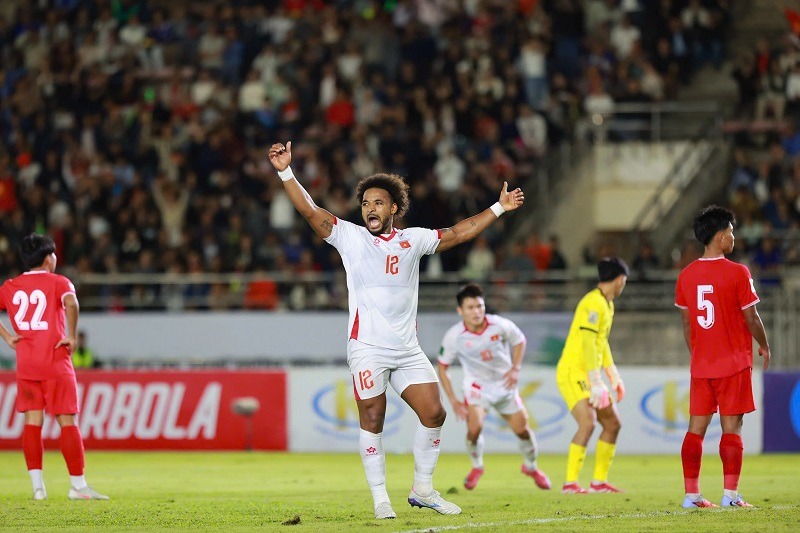
Despite growth, several challenges persist that influence team standings. Variability in league quality across countries, financial constraints, and inconsistent youth development programs can create disparities in performance. Political or logistical issues occasionally disrupt competitions, impacting both short-term results and long-term rankings.
Furthermore, injury management and squad depth remain critical. Teams with limited rotation options may struggle to maintain high performance throughout congested schedules, affecting their competitive positions.
Predicting the future of Asian football
The trajectory of Asian football suggests continued evolution. Investments in infrastructure, coaching, and scouting are expected to yield more competitive leagues, narrowing the gap between traditional leaders and emerging nations. Clubs that embrace modern analytics, invest in youth, and adopt adaptable tactics will likely dominate future rankings.
Additionally, increased participation in global tournaments like the FIFA Club World Cup will enhance the exposure and experience of Asian clubs, further influencing regional standings. As football continues to globalize, Asia is poised to contribute a growing number of elite teams and players to the international stage.
Conclusion
Asian football stands at a transformative crossroads, blending tradition with innovation to create a vibrant and competitive environment. Platforms such as bóng đá trực tiếp XoilacTV keep fans intimately connected to this dynamic landscape, while careful analysis of league structures, tactical trends, and player performances illuminates the factors driving the continent’s team hierarchy. With continued investment and strategic development, Asia is well-positioned to enhance its global footballing reputation, producing both thrilling competitions and iconic players for years to come.
