

The material you choose sets the tone for everything that follows. Pick well and the structure quietly does its job for decades. Pick poorly, and you inherit a slow drip of repair bills, structural worries, and clients who stop returning your calls. Australia makes the stakes higher still. A build sweating through inland heat asks for something different from one breathing salt air on the coast.
So here are five mistakes that trip people up, along with the ways around them.
1. Using the Wrong Material for the Job
What thrives in one setting can collapse in another. Plain steel near the ocean is a good example. It starts rusting almost before you’ve finished installing it. Run a softwood timber across a deck that gets daily foot traffic, and you’ll watch the surface wear down faster than anyone expected.
The fix isn’t complicated. Before you commit to anything, weigh up the loads it has to bear, the conditions it’ll sit in, and how long you actually need it to last. A bit of homework early on spares you a lot of expense later.
2. Assuming Durable Means Hands-Off
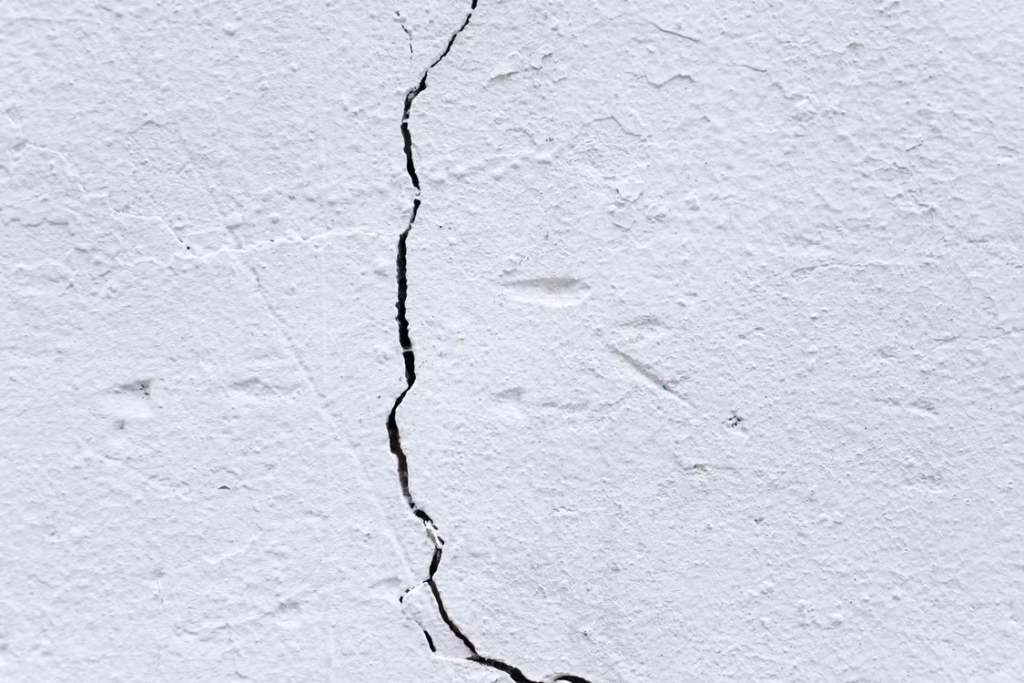
Quality materials still break down when nobody looks after them. Timber wants resealing or oiling now and then. Metal needs a protective coat so rust doesn’t get a foothold. Concrete lasts longer when you tackle the hairline cracks before they grow teeth.
Plenty of owners trip on the same assumption: that a tough material can simply be left alone. It can’t. Durability stretches the lifespan under decent care. It doesn’t hand you an unlimited one. Sketch out a basic maintenance schedule from the first day, and you’ll get far more years out of nearly anything.
3. Ignoring the Conditions on Site
Australia’s climate refuses to behave as one thing, which means the local environment deserves a careful look. UV light wears down plastics and untreated timber in a hurry. Salty coastal air speeds corrosion in metals and can also undo adhesives and coatings without much warning. Then there are the wet zones, your bathrooms, subfloors, and external cladding, which need materials genuinely rated for moisture.
Marine-grade plywood shows what thoughtful selection looks like. Its waterproof glue lines and void-free build hold up against delamination in damp or humid air. That makes it a sound pick for marine, external, and high-moisture work, the very places ordinary plywood tends to fail. Lining up a material with the conditions it’ll truly meet isn’t a preference. It’s a requirement.
4. Careless Handling and Installation
A first-rate material fitted badly behaves like a cheap one. Timber stacked flat on damp ground can warp before it reaches the site. Cut steel with the wrong tool and you risk its strength. Spread an adhesive outside its temperature window, and it won’t bond the way it should.
This is where good practice earns its keep. Stick to the manufacturer’s instructions, make sure your crew knows the correct methods, and store everything properly before it goes in. Tight schedules make these steps easy to skip, but the bill for cutting corners usually lands six to twelve months on.
5. Letting Inspections and Repairs Slide
Small faults seldom stay small. A thin crack in cladding invites moisture inside. One loose fastener throws uneven strain onto everything beside it. Leave these alone, and they gather into damage that’s serious, costly, or both.
Regular checks, ideally with the seasons, let builders and owners catch decline while it’s still cheap to address. A repair done on time almost always beats a full replacement on price. Working inspections into how you manage a property isn’t an extra worth debating. It’s part of guarding what you’ve put in.
Building Smarter from the Start
Early material wear rarely comes down to bad luck. Follow the trail, and it usually leads to one of these five: the wrong material, a missed maintenance round, an overlooked condition on site, rough installation, or a repair put off too long.
Every one of them sits within your control once you know what to watch for. A little planning and a little knowledge go a long way toward lower costs and steadier builds, and that’s a solid foundation to work from!
